be prepared for any disaster
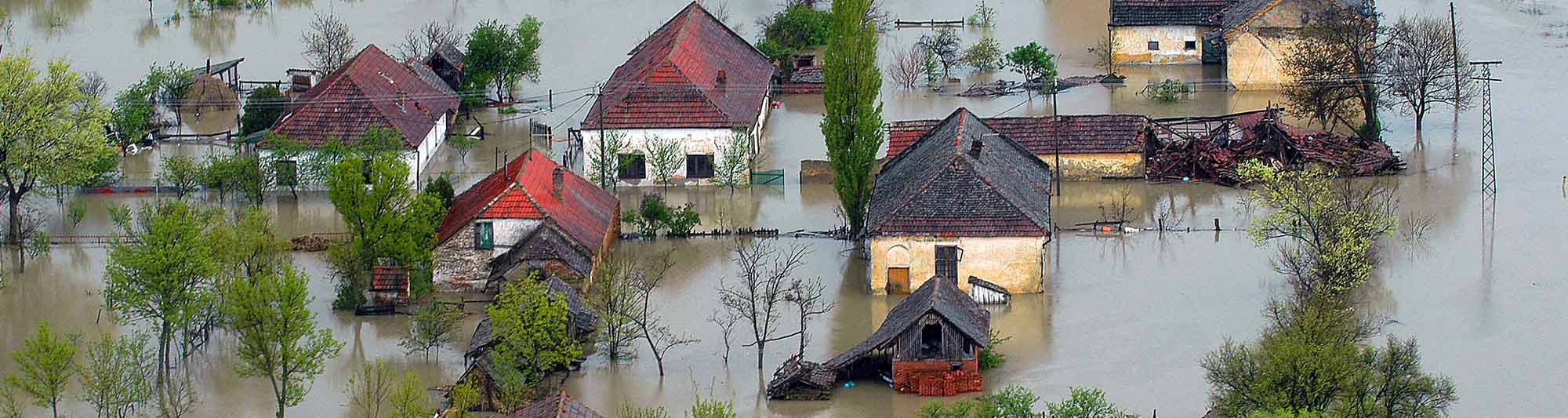
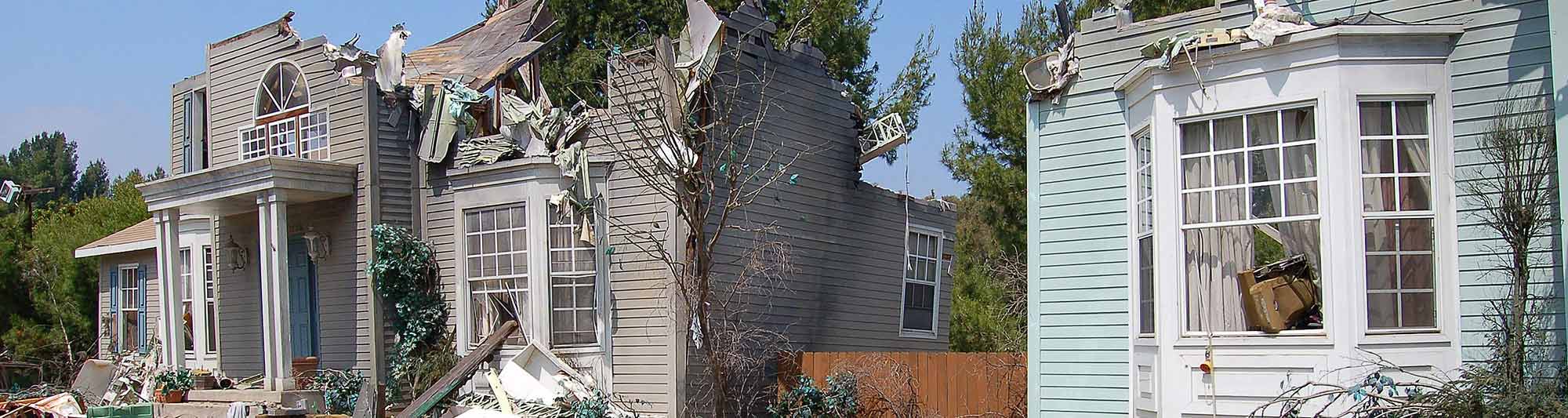
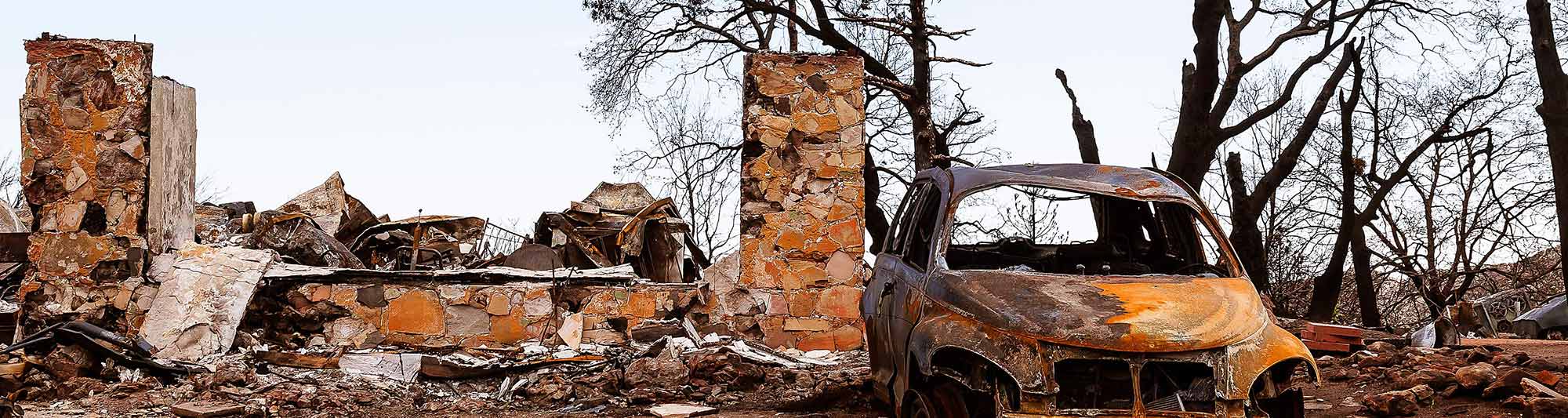
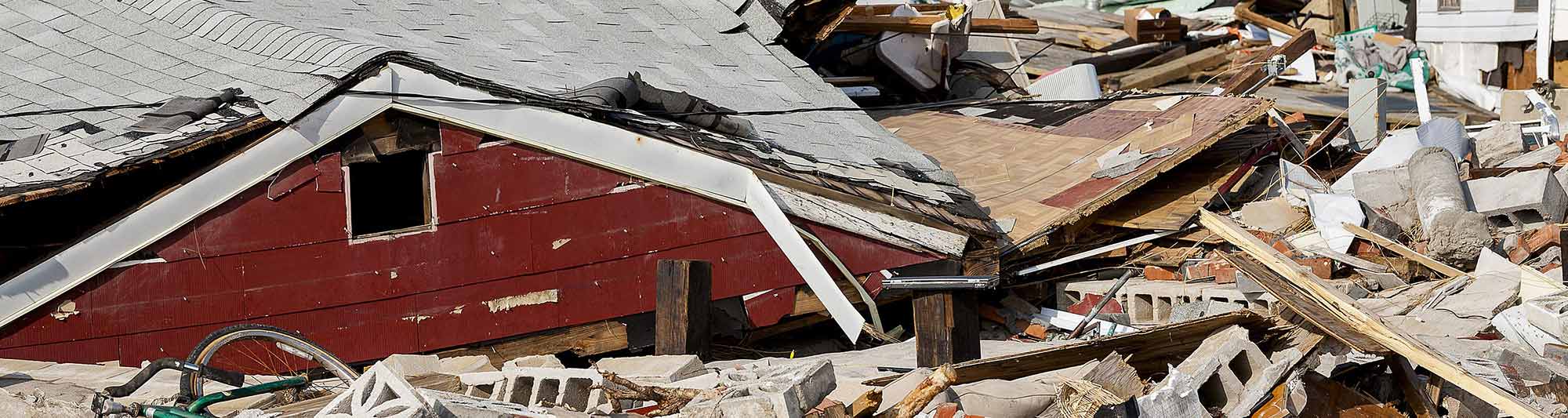
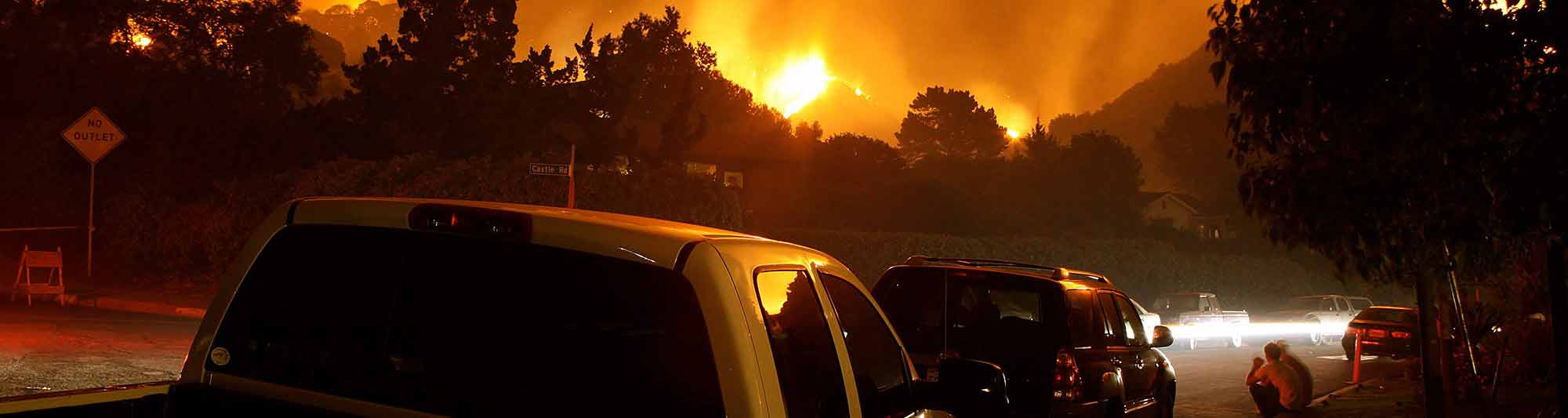
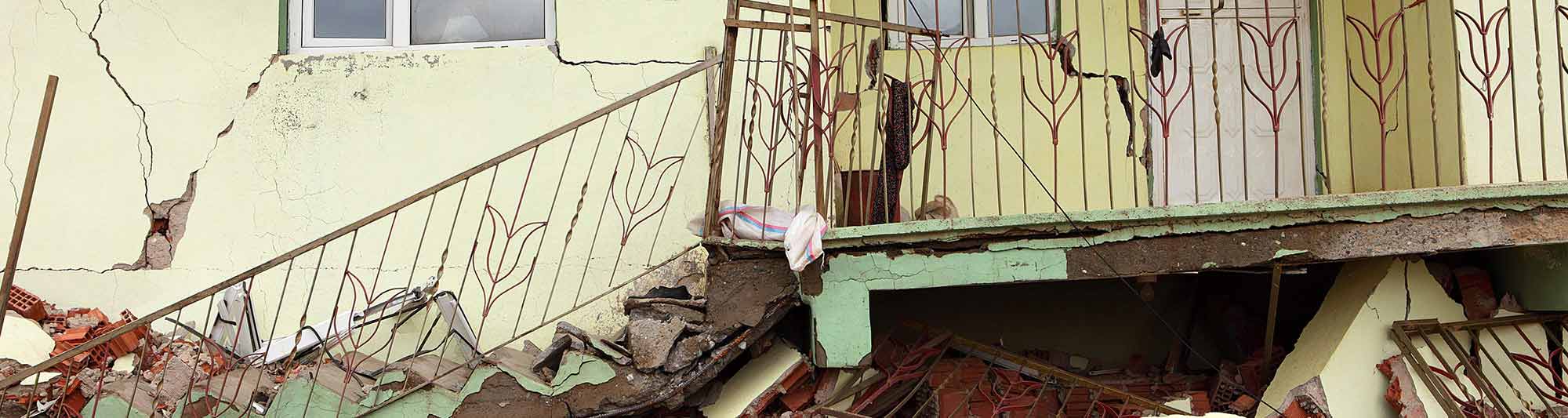
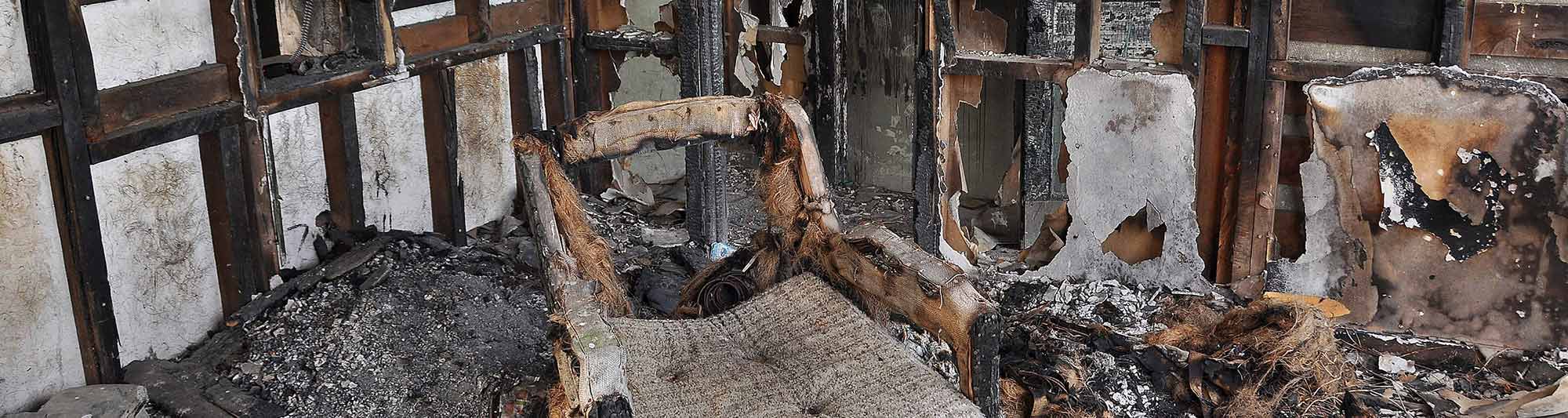
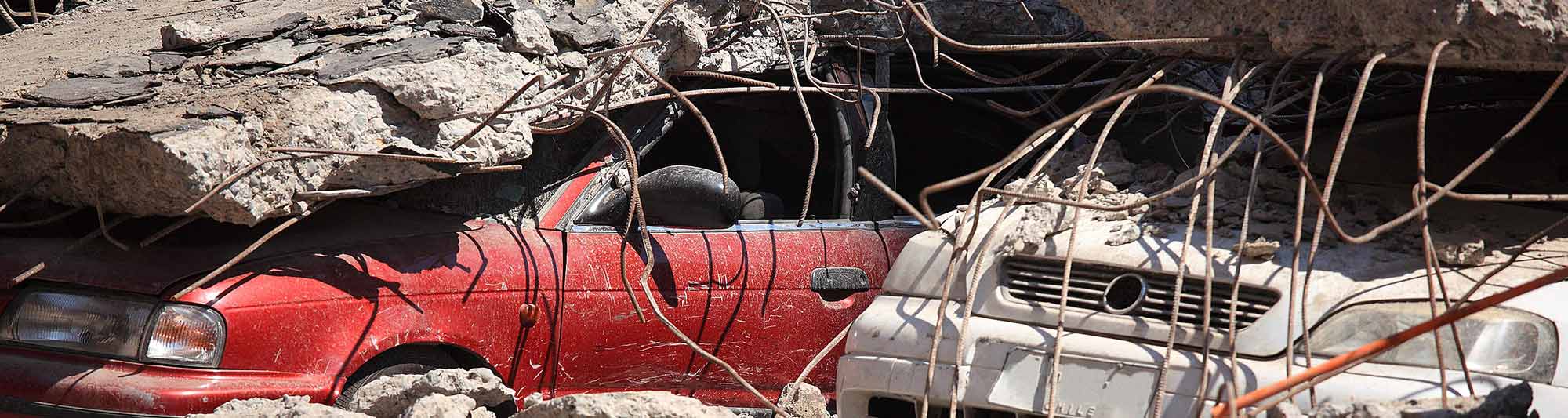
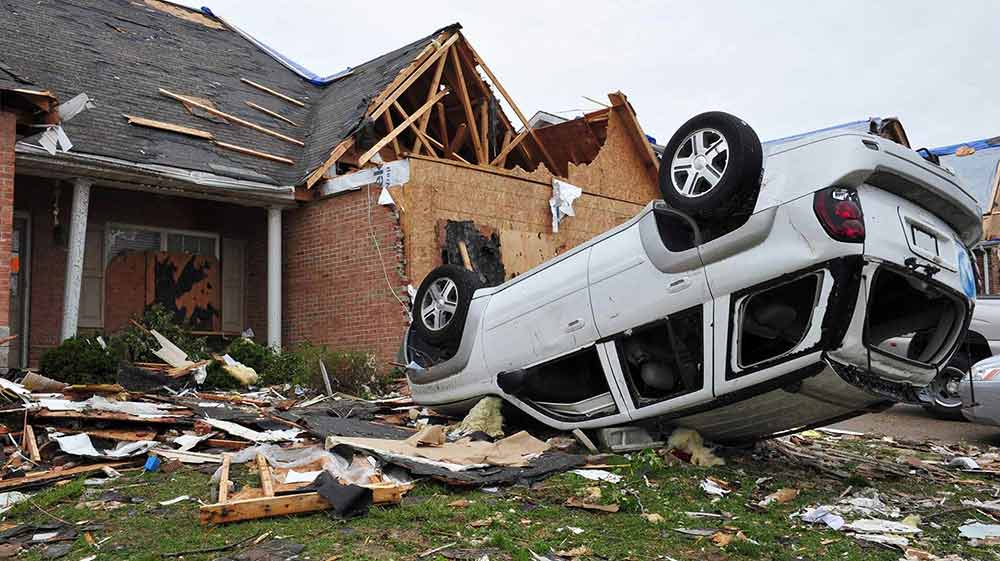
Remember the blackouts that hit the Northeast twice in the last 30 years? Remember the massive hurricanes that devastated areas of Florida, Louisiana and the greater New York region. Remember the two major earthquakes that hit northern and southern California as well the uncontrollable fires that have broken out during that state’s drought? They required people to abandon their homes with virtually no notice.
In these situations, some or all transportation may be disrupted and there may be no electricity or any cell service. ATMs often don’t work. You may have had to evacuate from your home and leave behind important documents and personal information.
What would you do if you found yourself and your family in one of these circumstances? Are you prepared?
I am a first responder and I have seen what these events can do to disrupt lives and separate family members. What you’ll learn on this website is how to prepare if such events happen in your community.
You Need a Plan
The information on this site will help you reestablish your financial and personal lives if or when needed. Financial Preparedness > will show you how to assemble all the materials you need to establish your identity and access to your financial resources, as well as where to keep such information and how to access it when needed.
Physical Preparedness > covers how to be physically prepared for the duration of any disaster and how to reconnect with family members.
Lastly, there is Personal Protection > a section of common sense advice that may help you avoid any possible threats day to day.
USEFUL LINKS
DID YOU KNOW?
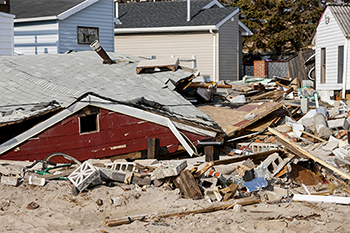
Hurricane Sandy Stats
147 people died
175 mile/hour winds
11 million commuters without service
600,000 people without power
110 homes burn to the ground
7.9 million businesses & households without power in 15 states
9,000 people in 13 states spent the night in 171 Red Cross shelters
67% of gas stations have no gas
$36.8 billion in repairs in NJ
41.9 billion in repairs in NY